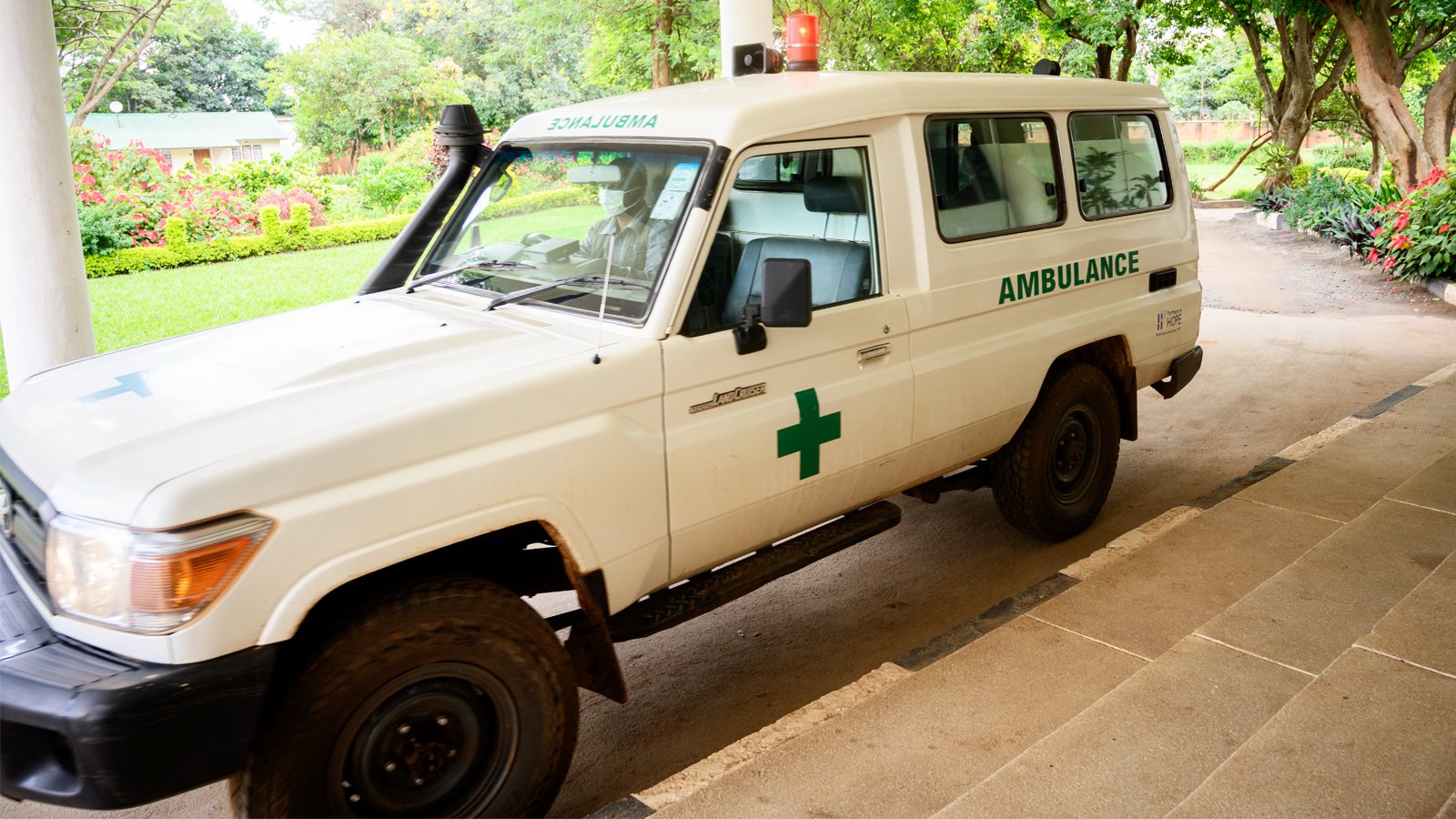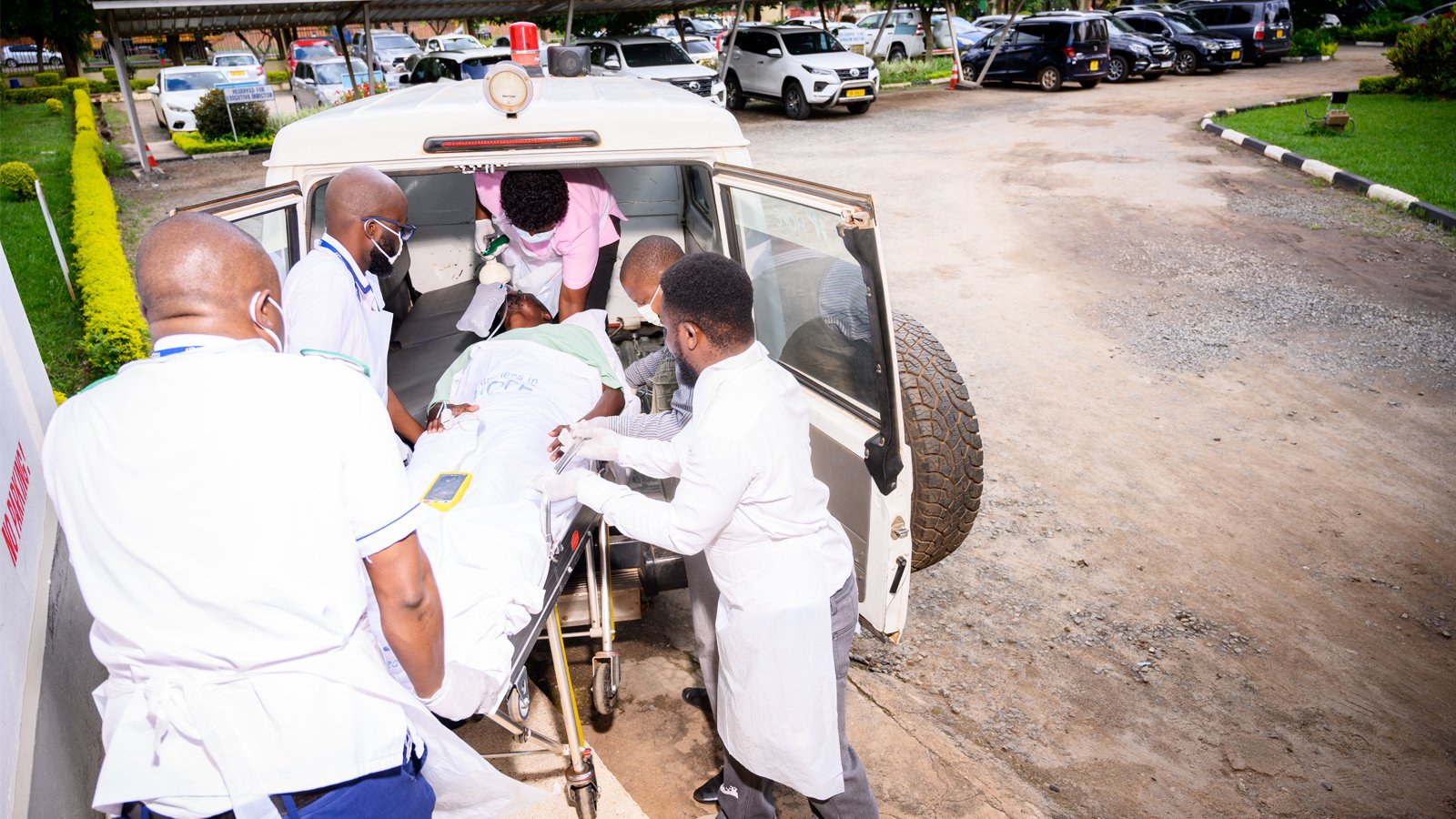
Sudden illness or injury occurs without warning. This is why it is necessary to know what to expect upon arrival at the Emergency Department.

Our Emergency Department provides urgent medical care for patients with traumatic injuries, serious illnesses, and other conditions that require immediate treatment. Our team of physicians, nurses and other medical professionals follow appropriate procedures to ensure that patients receive prompt and appropriate assistance. 

If you would like to make follow ups or have questions after being discharged from our Emergency Department, do not hesitate to call us on (+265) 999 961 961 and our team will kindly assist you. 

There are five steps that are followed in Emergency Department:

Step 1 – Triage


Triage is the process of assessing the severity of a patient’s condition in order to determine the appropriate treatment. Patients with the most serious conditions receive treatment immediately.

Upon arrival at the Emergency Department, our qualified professionals will assist you accordingly to determine the situation you have presented while the nurses on duty will record any related symptoms and your medical history. 

The triage nurse is also responsible for assigning priority levels based on medical history and current condition presented to the hospital. The scale is as follows: 

Level 1 – Resuscitation (immediate life-saving intervention) 

Level 2 – Emergency

Level 3 – Urgent 

Level 4 – Semi-urgent

Level 5 – Non-urgent

In some cases, the nurse on duty may commence diagnostic testing to help reduce the amount of waiting time for medical treatment. If the patient’s symptoms seem to worsen while in the Emergency Department, please notify the technician or the triage nurse on duty immediately. For the sake of the patient’s safety and privacy, only one person is allowed to accompany the patient in the triage area.


Step 2 – Registration


The registration process is necessary to collect your medical record and to obtain consent for treatment. These are required to order diagnostic tests and for the physician to determine the most appropriate treatment option. For patients who are taken directly to a treatment room, the Patient Access Specialists will complete their registration at the bedside.  


Step 3 – Treatment


Every patient in the Emergency Department is cared for by our attending physician or the qualified mid-level practitioners. Depending on the patient’s condition, our nurse, on duty,  may commence the intravenous (IV) line procedure which involves insertion of a  small tube with a needle for the administration of medication or fluids into the bloodstream. The IV line will allow for prompt administration of medications or fluids as prescribed by a physician. 

A nurse or technician may also collect blood or urine samples, or arrange for an X-ray or other emerging tests before a patient is seen by a physician during this stage. Results from the tests may be available within a specific period while you are at the hospital and while other results may take a while.

Throughout your treatment, our Emergency Department staff will help make sure you are comfortable and well informed. 

For the patient’s safety and privacy, only two visitors are allowed in the patient room at a time.


Step 4 – Re-evaluation


This step helps to further understand the condition of the patient after conducting the tests in order to provide the most appropriate treatment. As a patient, we encourage you to inform the attending physicians or nursing staff about any pain, discomfort or changes in your condition as this is important just like your test results. 

If necessary, our staff may need to contact your personal physician for additional information. In cases where you do not have a personal physician, our attending physician will re-evaluate your condition to determine whether you should be admitted to the hospital or receive treatment and be safely discharged.


Step 5 – Discharge


Our care does not stop where you leave the Emergency Department. Our goal is to help keep you healthy long after you have left the hospital. As such, all patients are provided with written home-care instructions to follow when getting discharged. These instructions outline how you will safely care for your injury or illness, how to take prescribed medications, and when to seek follow-up medical care. 

It is important to fully understand and follow these instructions. If you have any questions, please do not hesitate to inquire for more information before you leave the Emergency Department.  You can also call us at (+265) 999 961 961 directly or follow up with your personal or referred physician.

One to two weeks after your visit to our department, St. Mary’s Regional Medical Center, may contact you for feedback about your experience at Partners in Hope. Your feedback helps us to continually improve the quality of our emergency.